How to Winterize Your Irrigation System
As temperatures occasionally drop during the winter months, it’s important to protect your irrigation system from damage caused by freezing. In Northwest Harris County, taking preventive measures ensures that your irrigation system remains functional and damage-free when spring arrives.
Here’s a guide on how to winterize your system.
1. Turn Off the Water Supply
Start by shutting off the water supply to your irrigation system. This step is crucial to prevent water from sitting in the pipes, where it can freeze and cause pipes to crack or burst. Locate the shut-off valve—typically near your home’s main water supply—and turn it off completely.
2. Drain the System
Once the water supply is off, drain any remaining water from the system. There are three primary methods for doing this:
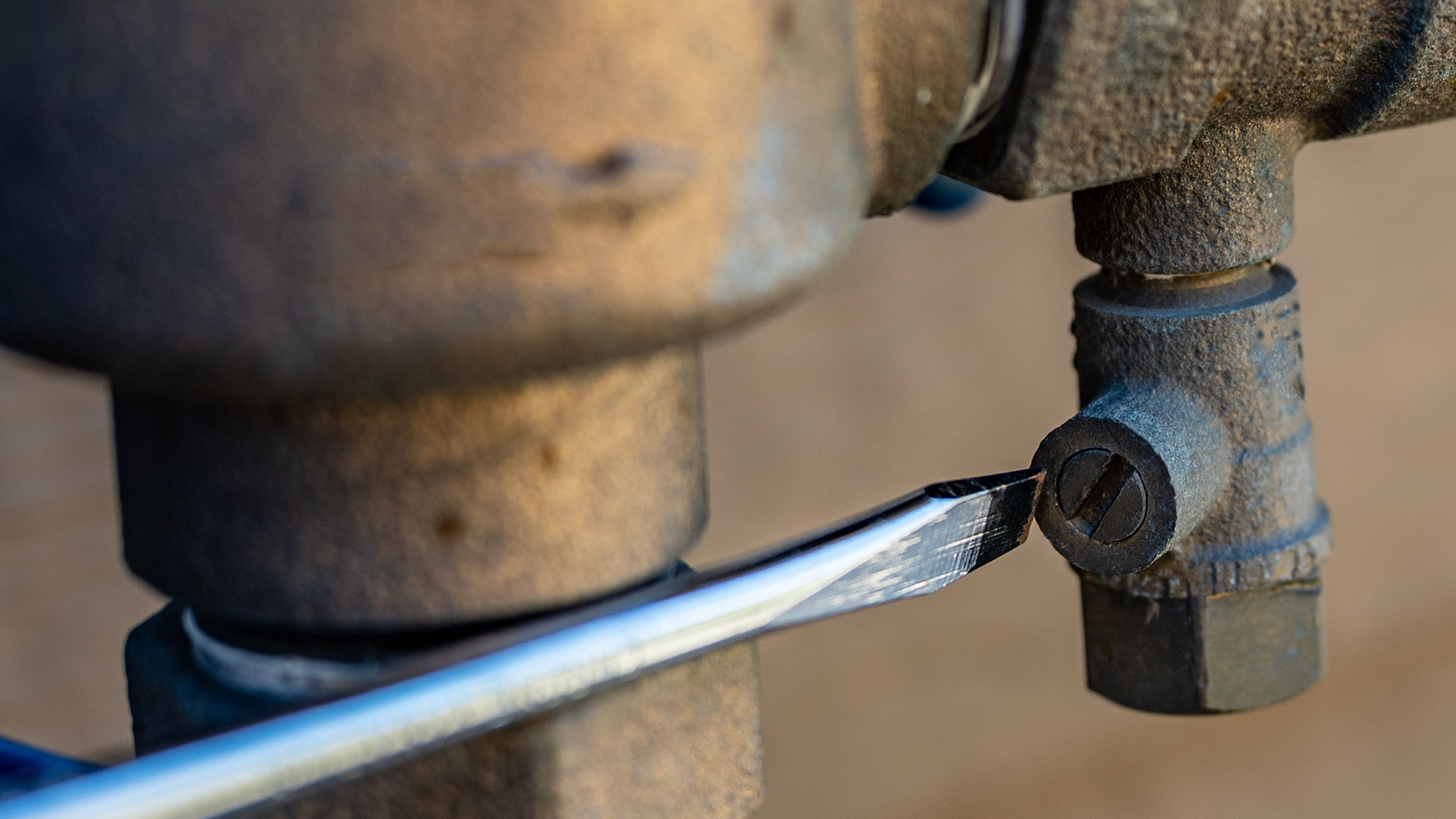
Manual Drain Valve: If your system has manual drain valves, open each valve to allow the water to flow out of the pipes. Make sure all water is drained to avoid any freezing in the lines.
Automatic Drain Valve: If your system is equipped with automatic drain valves, they will automatically release water when the system is shut off. However, it’s always a good idea to double-check that no water is trapped in the pipes.
Blow-Out Method: For a more thorough approach, consider using compressed air to blow out any remaining water. This method involves attaching an air compressor to the system and pushing air through each zone to clear the pipes of water. It’s highly recommended to hire a professional for this, as too much air pressure can damage the system.
3. Insulate Exposed Pipes and Backflow Devices
Even in Northwest Harris County, where freezing conditions are not as severe as in colder regions, it’s still essential to insulate any exposed pipes, valves, and the backflow prevention device. Use foam pipe insulation or insulating tape to wrap these components. The backflow preventer, often located outside near your irrigation system, is particularly vulnerable and should be protected with an insulating cover or wrapped with a heavy-duty material.
4. Shut Down the Controller
If your system is controlled by an automatic timer, make sure to turn off or switch the controller to a “rain” or “off” setting. Many modern controllers have a “winter” setting that will maintain the schedule without running the system. If your controller doesn’t have this option, simply turn off the power to avoid accidental operation during freezing conditions.
5. Inspect for Leaks or Damages
Before shutting down for the season, inspect your system for any leaks or damage. This will allow you to make repairs now, rather than discovering problems when you need the system in the spring. Look for cracked pipes, leaking valves, or malfunctioning sprinkler heads.
6. Consider Professional Help
While these steps are straightforward, hiring a licensed irrigation professional to winterize your system can offer peace of mind. They have the tools and expertise to ensure every part of your system is properly protected, especially if you choose to use the blow-out method.
Why Winterizing Your Irrigation System Is Important in Northwest Harris County.
While we usually enjoy mild winters in Northwest Harris County, we still experience periodic freezes that can damage unprotected irrigation systems. A cracked pipe or damaged backflow preventer can lead to costly repairs. Taking the time to winterize ensures that your system is ready for the warmer months without the risk of costly repairs or disruptions.
By following these expert steps, you can protect your irrigation system and avoid expensive repairs when the weather warms up. Preparing ahead of time will keep your landscape healthy and your irrigation system functioning at its best for years to come.
If you have any questions or need assistance with winterizing your system, consider contacting a local irrigation professional to ensure everything is done properly and safely.