
Created by the Texas Legislature in 2001 to comply with groundwater reduction as mandated by the Harris Galveston Subsidence District (HGSD), the WHCRWA is committed to securing a long-term supply of quality drinking water as well as promoting water conservation.
The HGSD Conversion Requirements include.
- Reducing groundwater pumpage 30 percent by 2010 (accomplished)
- Reducing groundwater pumpage 60 percent by 2025 (accomplished)
- Reducing groundwater pumpage 80 percent by 2035
It was therefore necessary to find and secure an alternative supply of water instead of getting all our water from groundwater wells.
WHCRWA’s water supply and infrastructure program includes four major components: the Surface Water Supply Project, WHCRWA’s internal distribution lines connecting to local MUDs, the Northeast Water Purification Plant Expansion Project, and the Luce Bayou Interbasin Transfer Project.
Surface Water Supply Project
To meet the Harris-Galveston Subsidence District and Fort Bend Subsidence District’s groundwater reduction requirements, including the 2025 requirement and future requirements, the West Harris County Regional Water Authority partnered with the North Fort Bend Water Authority to construct the Surface Water Supply Project.
The Surface Water Supply Project is needed to conserve groundwater and reduce land subsidence. Pumping large amounts of groundwater causes the ground to settle, lowering the elevation of the land. This project will help to reduce land subsidence and will meet the water needs of a rapidly growing population.
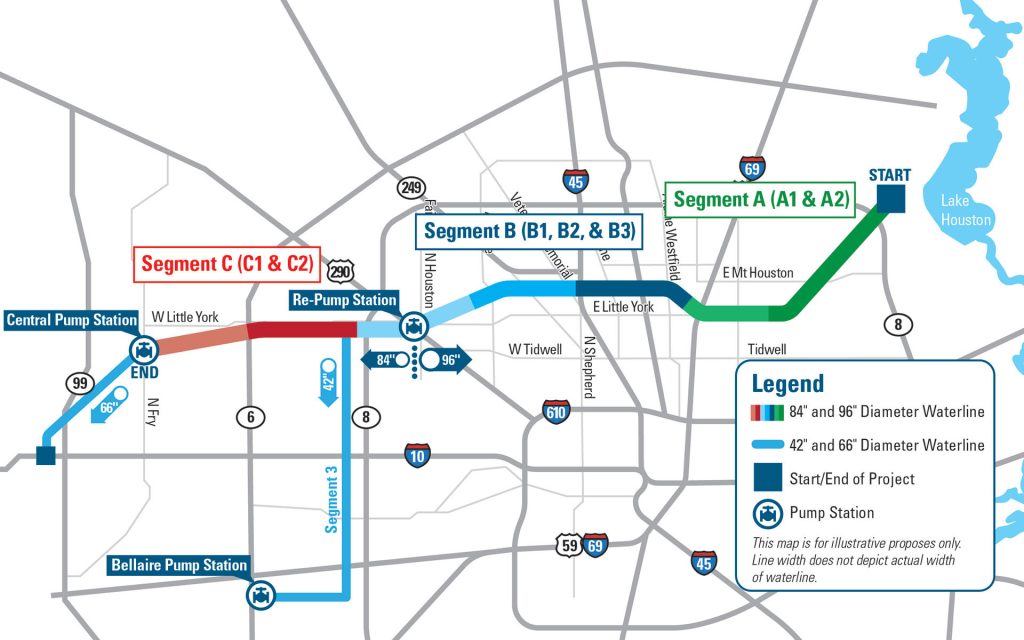
Once complete, surface water from Lake Houston will be supplied to retail water providers by way of the City of Houston’s Northeast Water Purification Plant through over 55 miles of pipeline and two large pump stations. These transmission pipelines will vary in diameter from 42 inches to 96 inches, depending on the pipeline segment.
Visit the Surface Water Supply Project website for more information
WHCRWA Internal Distribution System
WHCRWA continues to expand its internal distribution system to deliver treated surface water to local water providers within its boundaries.
As of October 2026, WHCRWA’s system includes:
- 81.9 miles of internal water distribution lines.
- Two operating pump stations with a combined pumping capacity of 200 million gallons per day.
- One additional pump station under construction with a pumping capacity of 160 million gallons per day.
- 69 water plants receiving surface water.
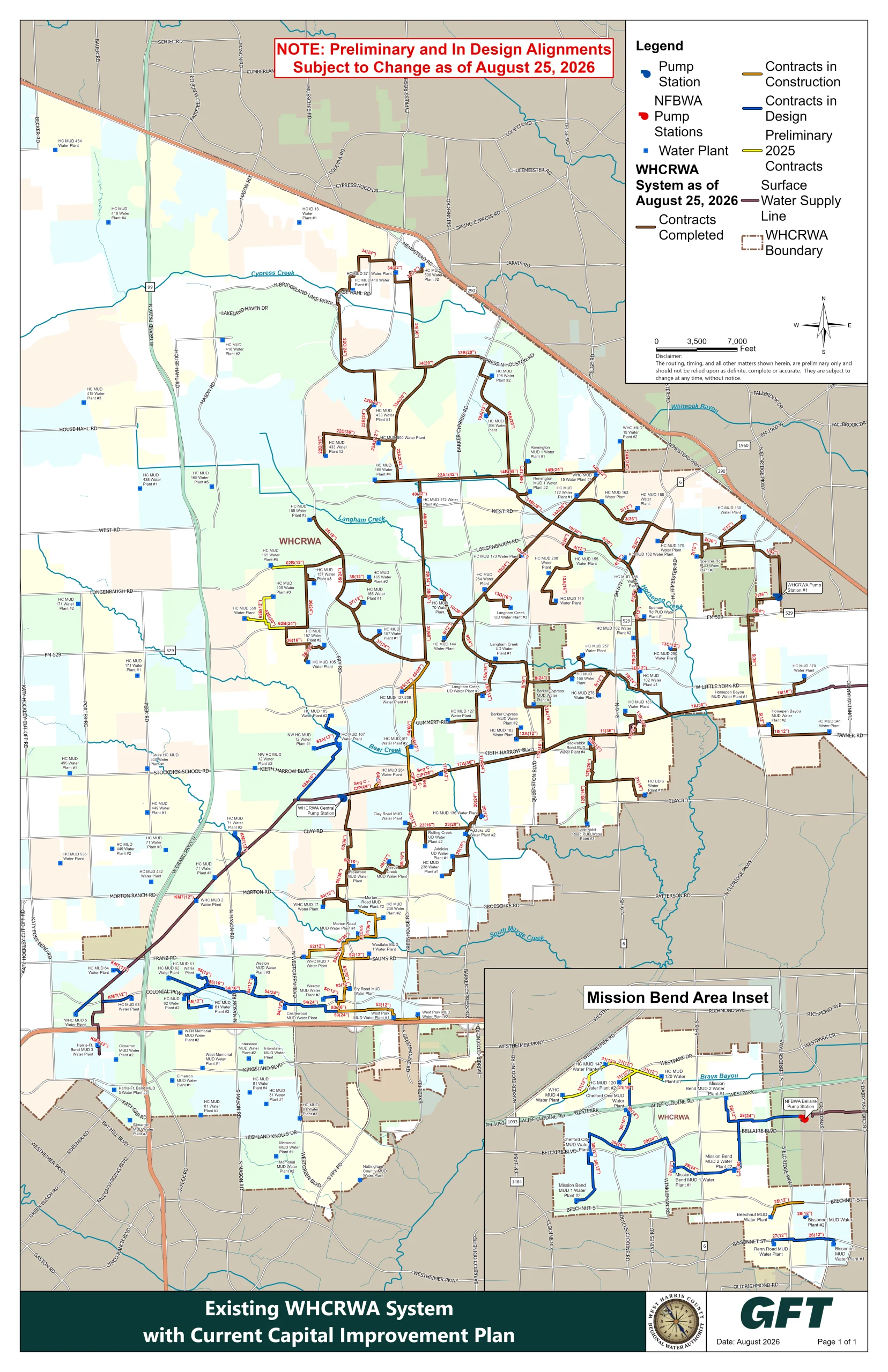
The map to the right shows the existing WHCRWA system and current Capital Improvement Plan as of January 12, 2026, including completed contracts, contracts in construction, contracts in design, and preliminary 2025 contracts. Preliminary and in-design alignments are subject to change.
The map below shows the existing WHCRWA System; contracts completed, contracts in construction, in design, and the preliminary 2025 construction contracts.
Existing WHCRWA System with Current CIP
Northeast Water Purification Plant Expansion Project
The Northeast Water Purification Plant (NEWPP) Expansion Project is managed by the City of Houston in partnership with the WHCRWA, NHCRWA, NFBWA, and CHCRWA, with each partner responsible for its share of the project cost.
The expansion increases the plant’s treatment capacity from 80 million gallons per day to 400 million gallons per day, adding 320 million gallons per day of treated surface water capacity.
WHCRWA has a 25.76 percent share of the expansion, providing up to 82.42 million gallons per day of treated water capacity.
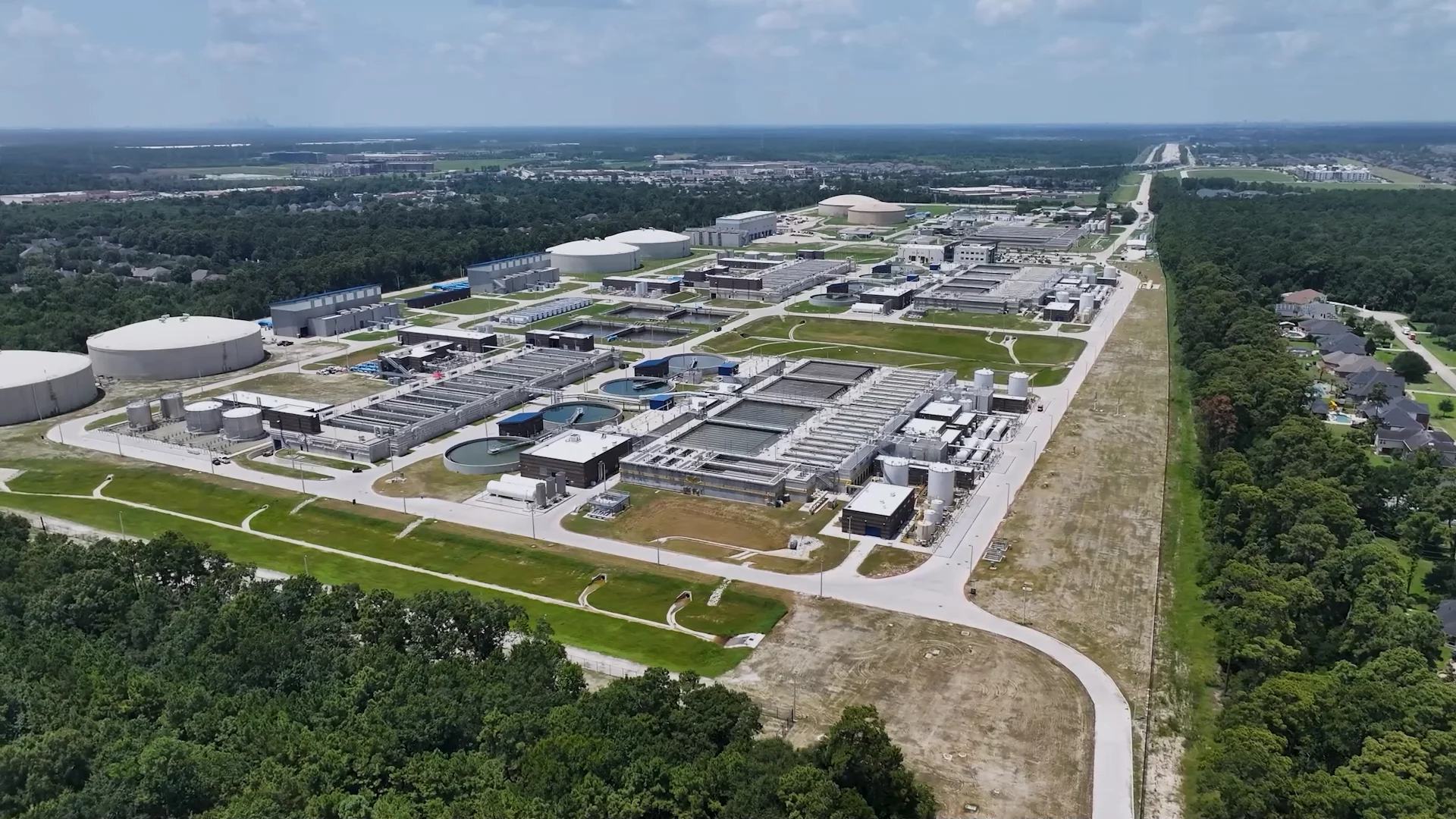
The photo above shows the Northeast Water Purification Plant Expansion Project as of July 29, 2026.
Luce Bayou Interbasin Transfer Project
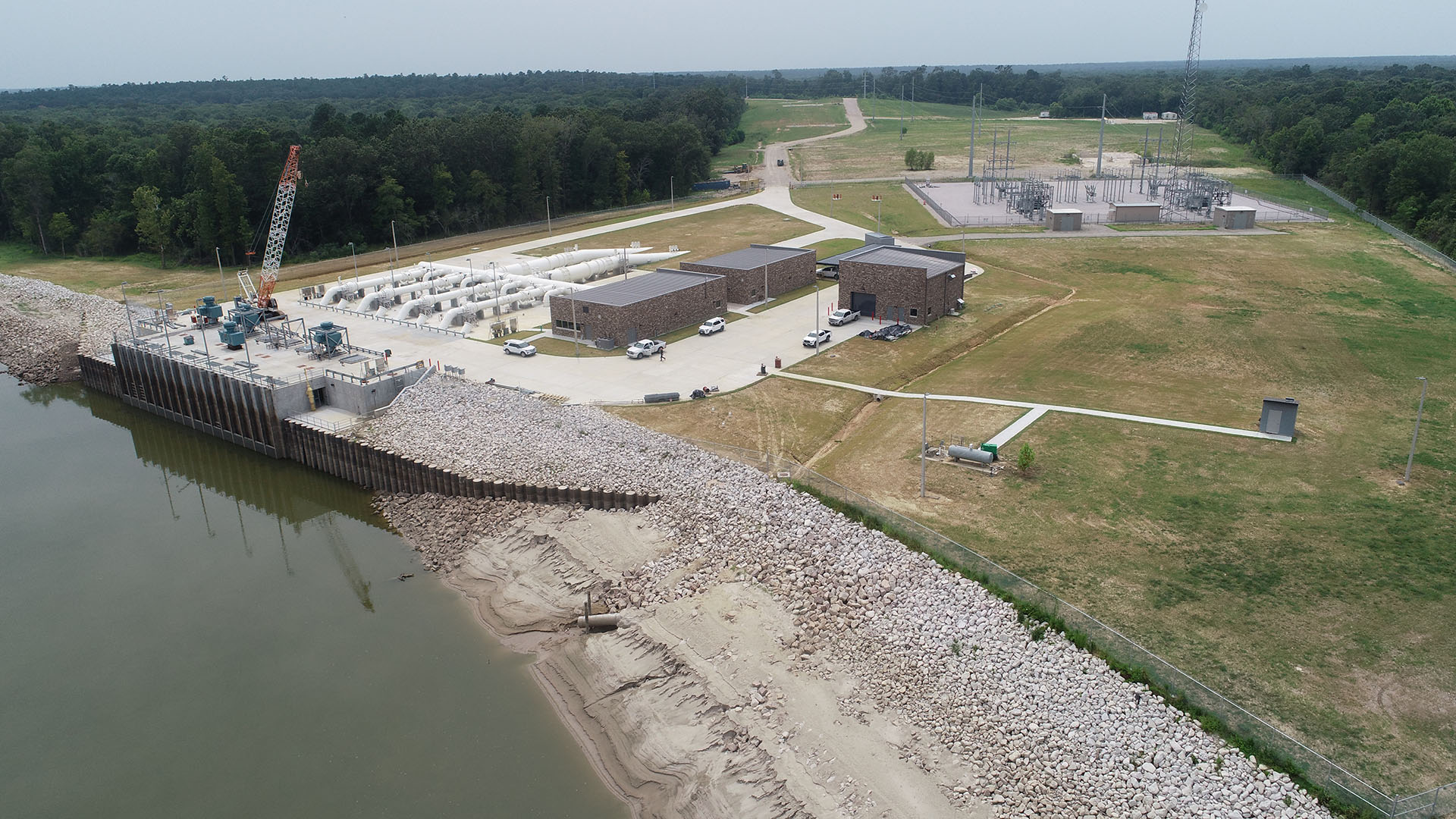
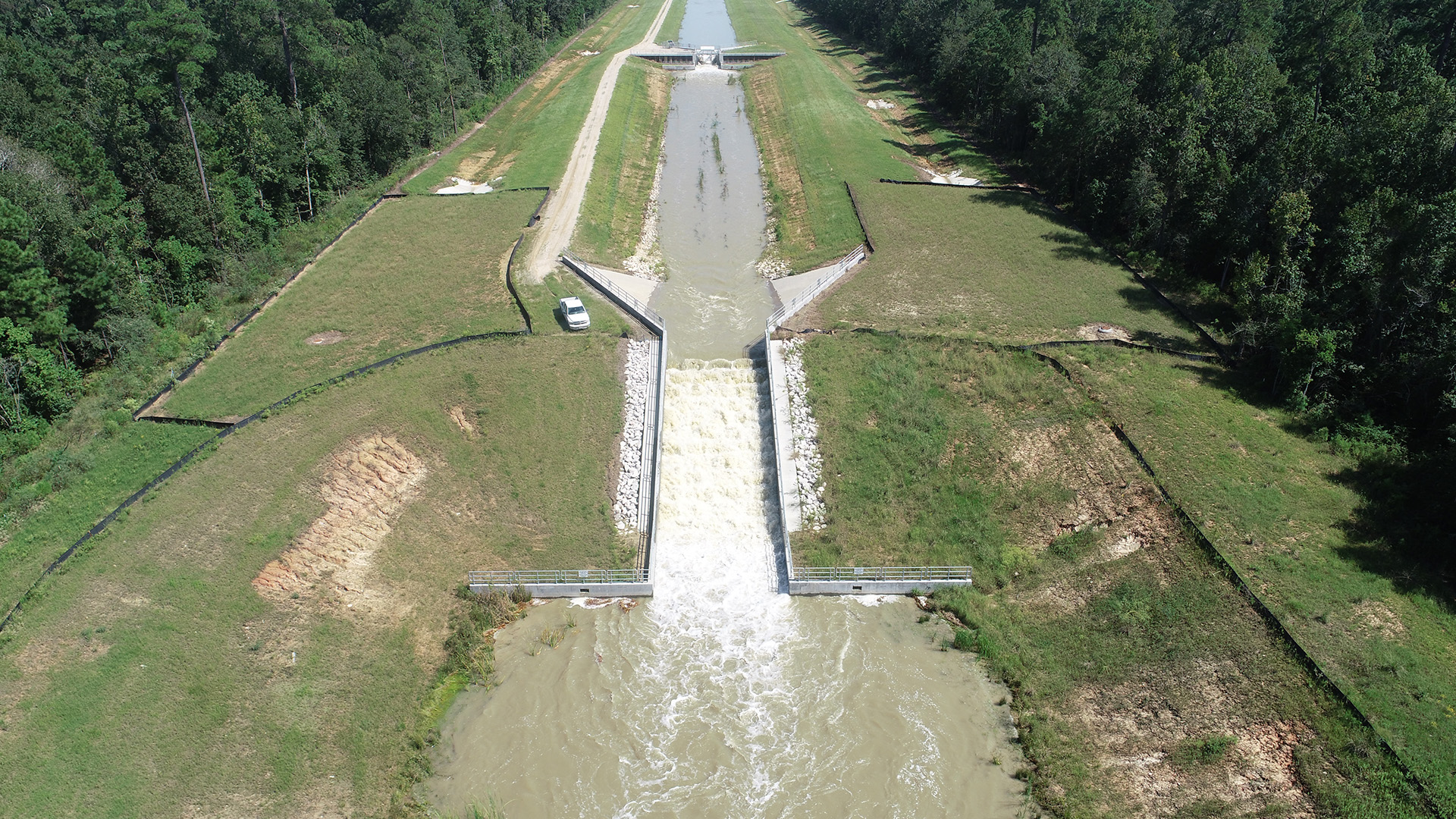
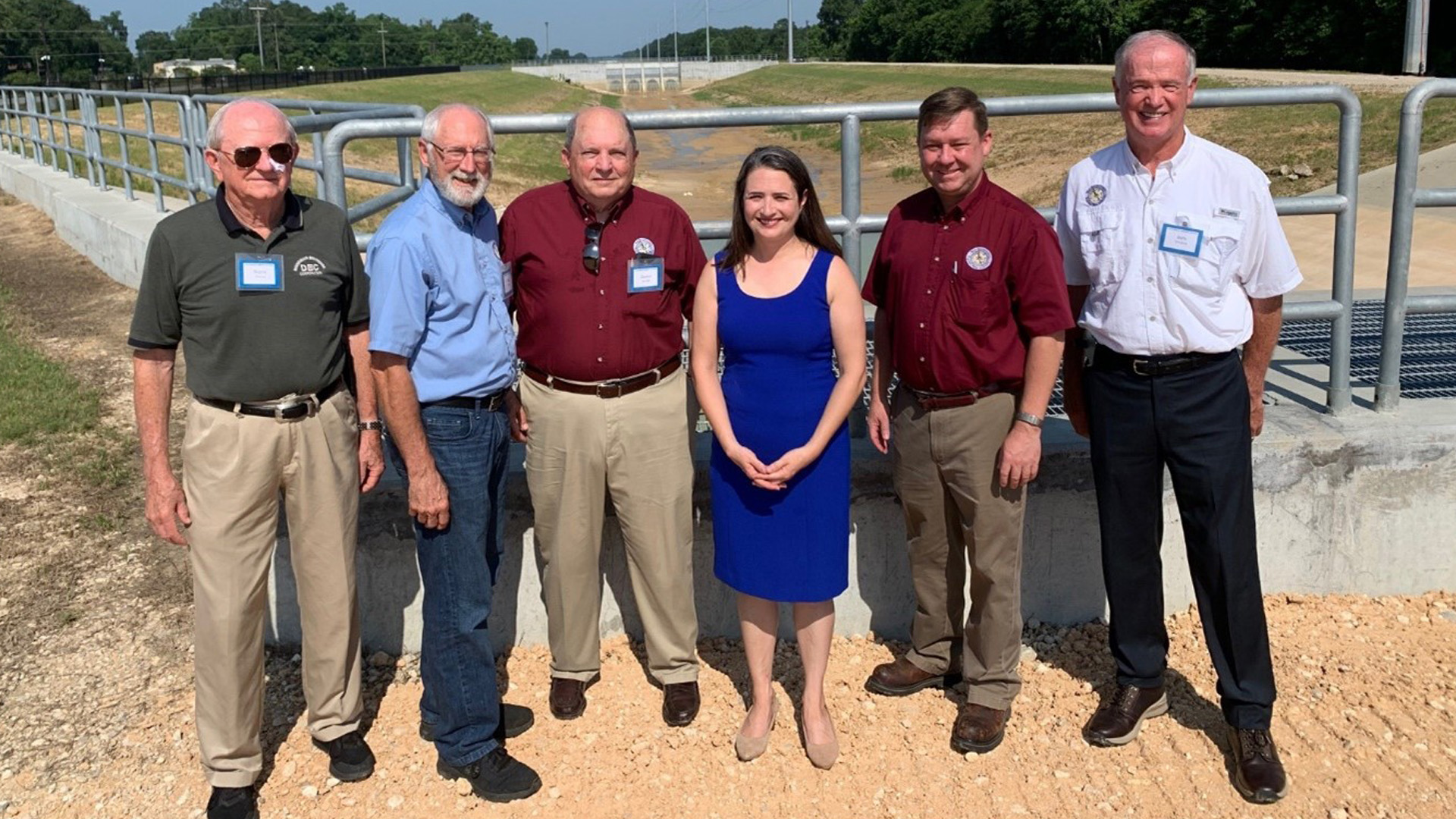
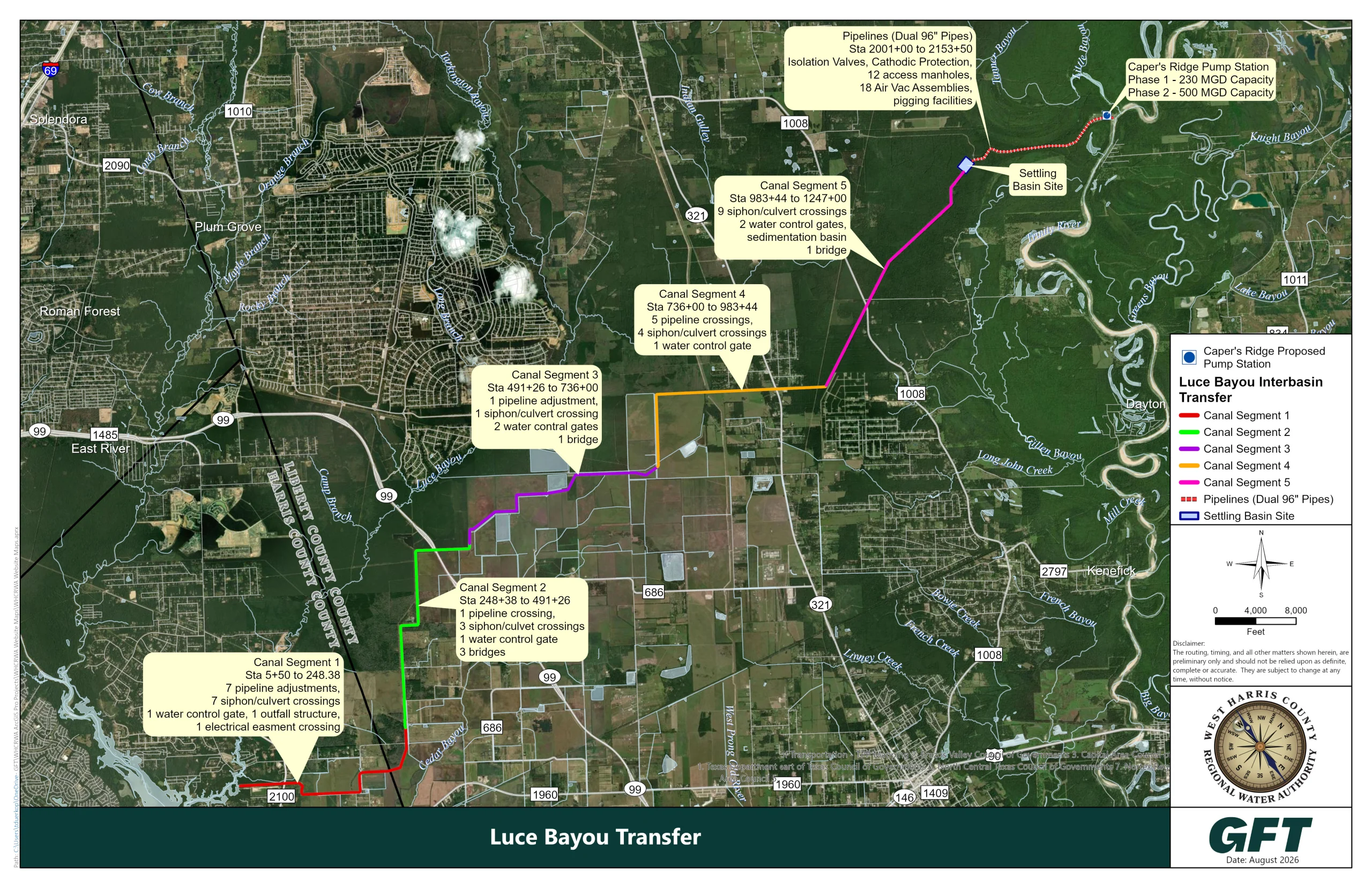
The Luce Bayou Interbasin Transfer Project (LBITP) is the largest raw water supply project built in Southeast Texas in the past 50 years. The LBITP transfers surface water to Lake Houston from the Trinity River located in Liberty County, Texas. It is comprised of the 500 MGD Capers Ridge Pump Station, 3 miles of dual 96-inch diameter pipelines, and 23.5 miles of earthen canal. A U.S. Army Corps of Engineers permit (SWG-2009-00188) was approved for the project in 2014 and construction was completed in 2022. The LBITP is currently in operation and supplying water to Lake Houston.
WHCRWA’s share of this project is approximately $70 million. The project increased WHCRWA’s water demand allocation to 82 million gallons per day and provides a total water demand allocation of 110 million gallons per day.
Luce Bayou Interbasin Transfer
How does the WHCRWA pay for these projects?
The Authority does not charge a property tax, and therefore we must charge sufficient rates to cover the debt service payments for bonds sold to pay for projects, as well as our operating costs. We rely on the services of an independent rate analyst to calculate the Authority’s water rates needed to pay our share of all the conversion projects.
The WHCRWA Board of Directors is committed to keeping the cost of water as low as possible and to keeping any rate increases reasonable and consistent with this commitment.
Current Pumpage and Surface Water Rates
Groundwater – $3.95/1,000 gallons and
Surface Water – $4.35/1,000 gallons
Rates have remained unchanged since January 1, 2023.