
Water and energy are essential parts of everyday life, but both are valuable resources that should be used wisely. Conserving them not only helps protect our natural resources but can also reduce household expenses.
Although water continually moves through Earth’s natural water cycle, only a small percentage is freshwater, and much of that is not readily available for drinking. Here in the Houston region, excessive groundwater pumping has also contributed to land subsidence, the gradual sinking of the ground. Reducing our reliance on groundwater and using water efficiently are important steps toward protecting our water supply for future generations.
Water and energy conservation often go hand in hand. It takes energy to treat, pump, and deliver drinking water to our homes, and even more energy to heat it for everyday activities such as showering, washing clothes, and cleaning dishes. By reducing unnecessary water use, we can often save energy at the same time.
There are financial benefits, too. According to the U.S. Environmental Protection Agency (EPA), household leaks alone can waste an average of approximately 9,400 gallons of water annually. Fixing leaks, choosing water-efficient appliances, and making small changes to everyday habits can add up to significant savings over time.
The following tips offer practical ways to conserve water, reduce energy consumption, and save money in the process.
DOUBLE UP AND SAVE TWICE…
Some of the simplest ways to conserve water can also help reduce energy costs. Every gallon of hot water used for showering, washing clothes, or cleaning dishes requires energy to heat. Using less hot water, fixing leaks, and choosing efficient fixtures and appliances can help lower both water and energy bills.
Let’s focus on these opportunities to save twice, starting with the areas of the home where water and energy use often go hand in hand.
In Hot Water…
Water heating is a significant part of household energy use, but a few practical steps can make it more efficient. Using an appropriate temperature setting, reducing heat loss, maintaining equipment, and choosing an efficient replacement can all help lower the cost of heating water.
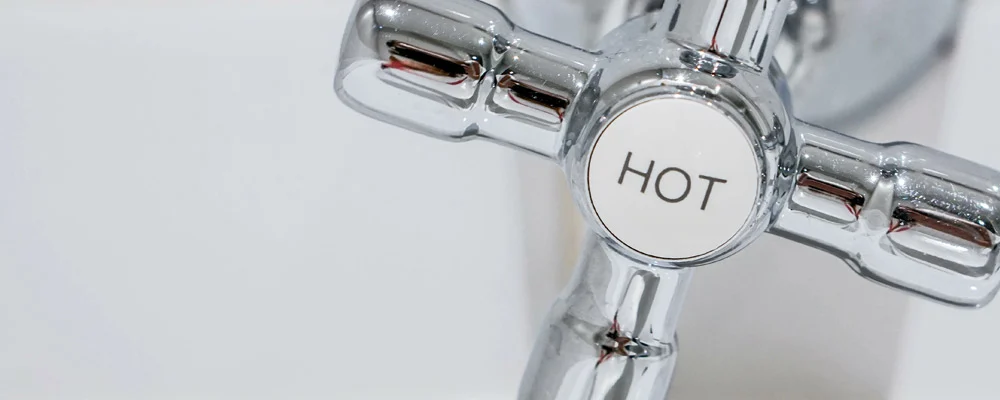
Of course, one of the easiest ways to save energy is to use less hot water. Much of the hot water consumed at home goes toward everyday activities in the bathroom, laundry room, and kitchen. Small changes in these areas can make a meaningful difference without sacrificing comfort or convenience.
The Bathroom…
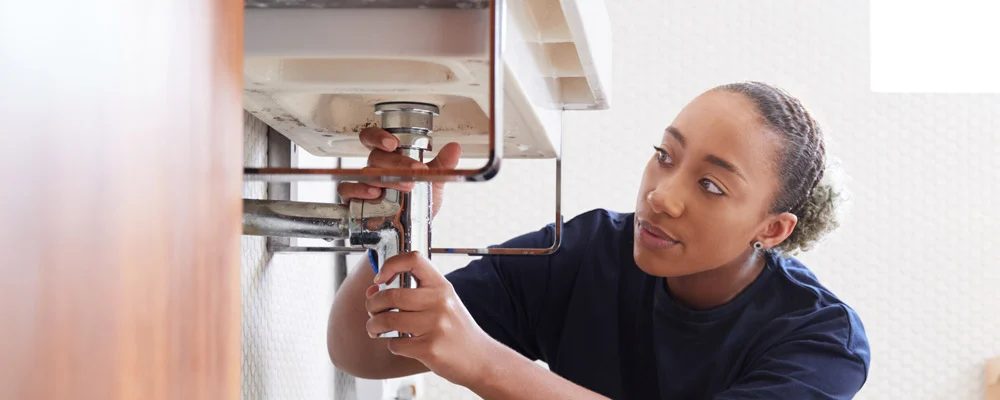
The bathroom is one of the easiest places to start conserving water at home. Leaky faucets, inefficient showerheads, and everyday habits can waste thousands of gallons each year. For residents in the WHCRWA service area, using water wisely helps reduce demand on our regional water supply. And because much of the water used in bathrooms is heated, conserving water can also save energy and money.
The Laundry Room…
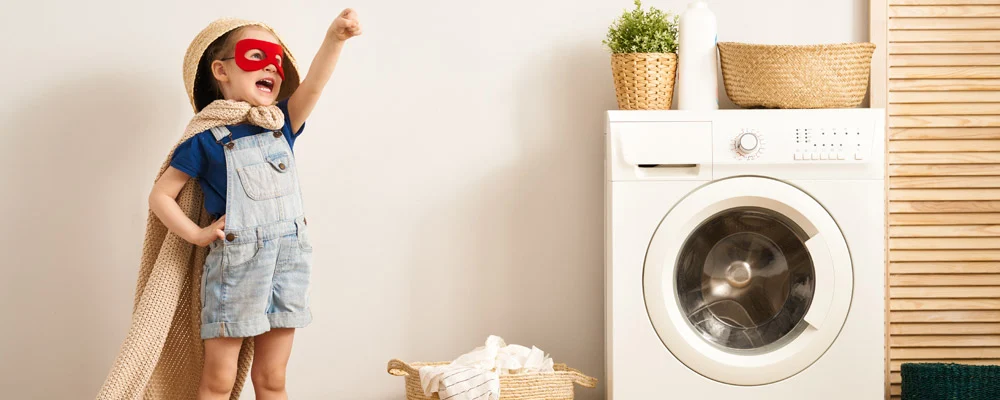
Laundry offers another opportunity to conserve both water and energy. Washing with cooler water, running properly sized loads, and drying clothes efficiently can reduce waste without sacrificing cleaning performance. Because heating water accounts for much of the energy used during a hot-water wash, choosing the right temperature is one of the easiest ways to save.
The Kitchen…
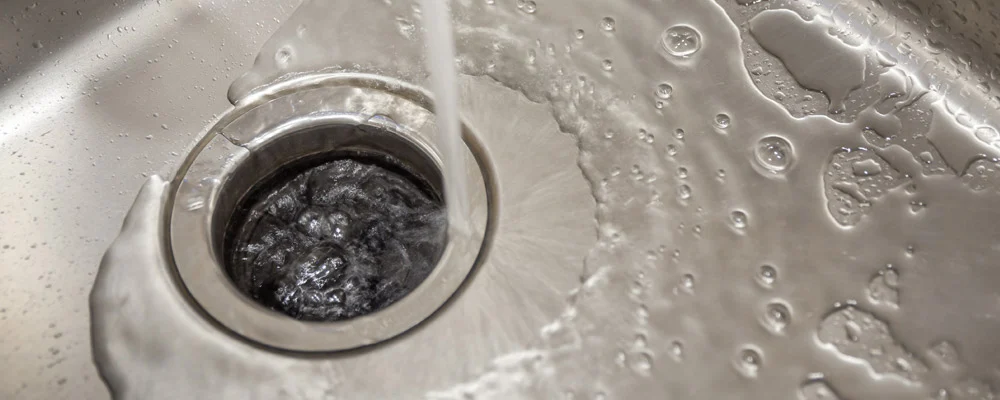
The kitchen is another place where conserving water can also save energy. Dishwashers and faucets account for much of the hot water used in this part of the home. Fortunately, today’s efficient appliances and a few simple changes in everyday habits can help reduce water consumption without sacrificing convenience or cleaning performance.
Conserving water and energy doesn’t have to mean making major changes to your lifestyle. Fixing leaks, choosing efficient appliances, and making small adjustments to everyday habits can reduce household expenses while helping protect our region’s water resources.
Every gallon saved helps reduce demand on the water supply that our communities depend on. When thousands of households make water conservation part of their daily routines, those small changes can add up to something significant.
Use less. Save more. Help conserve water for today, tomorrow, and generations to come.
Learn About Your Water!
Practical Information, conservation tips, and educational resources.