
Xeriscaping: Beautiful, Water-Wise Landscapes for Southeast Texas
Mention xeriscaping, and some people immediately picture cactus, rocks, and a yard without a blade of grass. But that’s not what xeriscaping is all about.
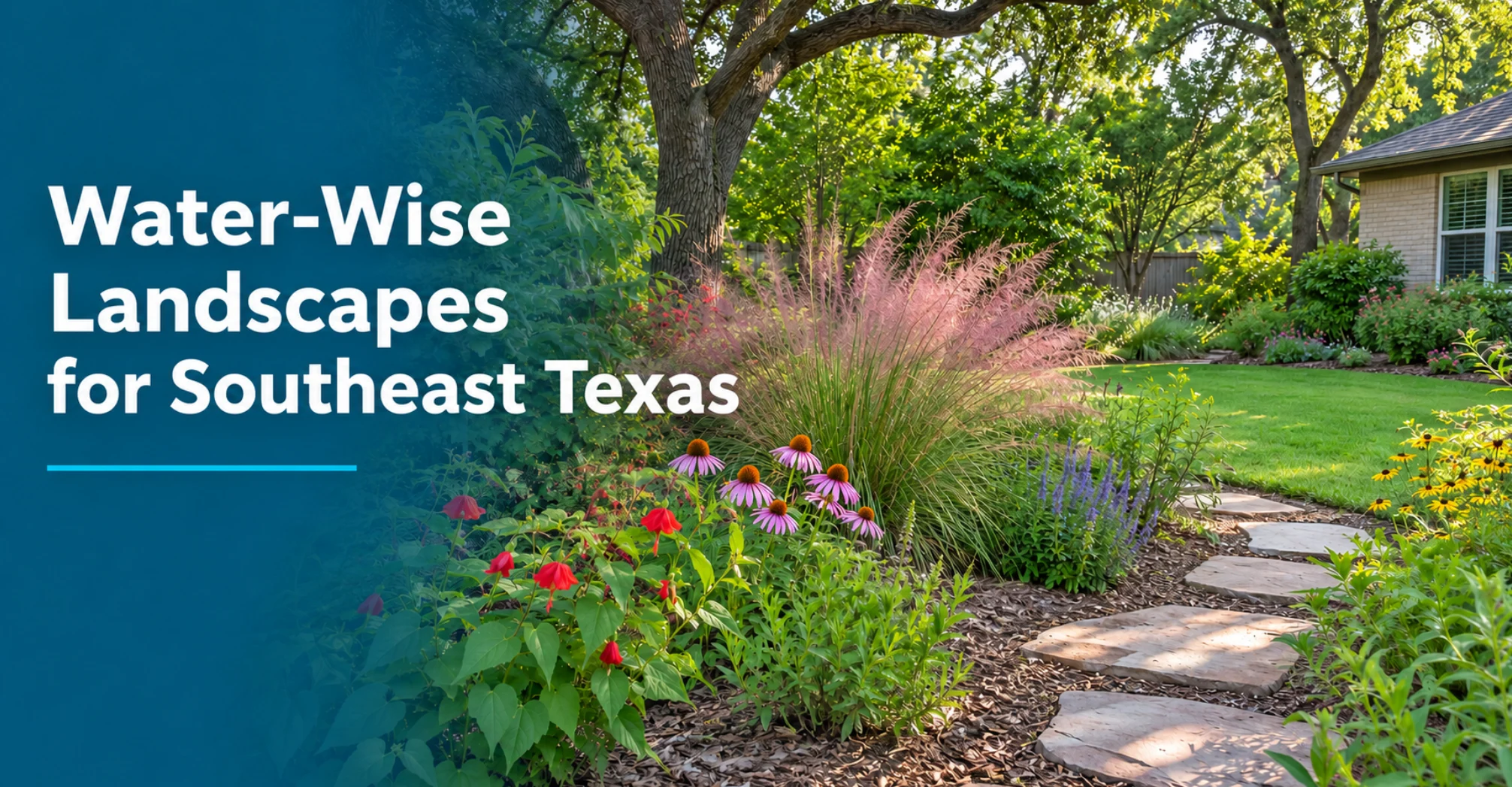
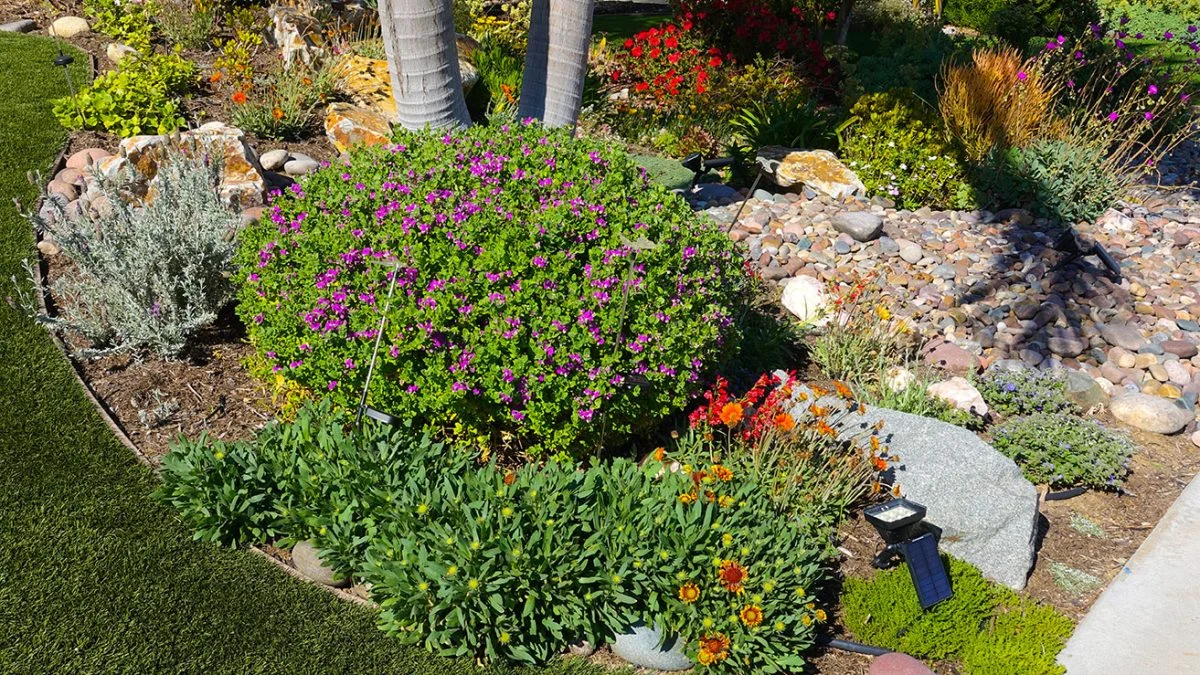
Xeriscaping is a landscaping approach that conserves water through thoughtful design, appropriate plant selection, and efficient maintenance. A xeriscaped yard can be lush, colorful, and inviting. The difference is that the landscape is designed to thrive with less supplemental watering.
For homeowners in Southeast Texas, where hot summers, occasional droughts, and periods of heavy rainfall are all part of life, water-wise landscaping makes good sense.
There are seven basic principles of xeriscaping: planning and design, soil preparation, practical turfgrass areas, appropriate plant selection, efficient irrigation, mulch, and proper maintenance. Let’s look at how they work together.
Start With a Plan
A successful water-wise landscape begins with understanding your property.
Start by sketching your yard, including the house, driveway, patios, walkways, existing trees, planting beds, and lawn areas. It doesn’t have to be a professional drawing. The idea is to identify the features and conditions that will influence your landscape design.
Pay attention to where sunlight falls throughout the day. Which areas receive intense afternoon sun? Where does water collect after heavy rain? Are there places where plants have struggled to grow?
Next, think about how you use your yard. You may want an open lawn for children or pets, a colorful garden that attracts butterflies, or a comfortable patio surrounded by flowering plants.
You don’t have to eliminate favorite plants that require additional water or attention. Consider placing them in smaller, highly visible areas where they can receive the care they need.
One important principle is to group plants according to their water requirements. This practice, called hydrozoning, allows plants with similar watering needs to be irrigated together rather than applying the same amount of water throughout the landscape.
And remember, you don’t have to complete everything at once. A well-designed landscape can be developed gradually as time and budget permit.
Get Your Hands Dirty: Know Your Soil
A successful water-wise landscape begins with understanding your property.
Start by sketching your yard, including the house, driveway, patios, walkways, existing trees, planting beds, and lawn areas. It doesn’t have to be a professional drawing. The idea is to identify the features and conditions that will influence your landscape design.
Pay attention to where sunlight falls throughout the day. Which areas receive intense afternoon sun? Where does water collect after heavy rain? Are there places where plants have struggled to grow?
Next, think about how you use your yard. You may want an open lawn for children or pets, a colorful garden that attracts butterflies, or a comfortable patio surrounded by flowering plants.
You don’t have to eliminate favorite plants that require additional water or attention. Consider placing them in smaller, highly visible areas where they can receive the care they need.
One important principle is to group plants according to their water requirements. This practice, called hydrozoning, allows plants with similar watering needs to be irrigated together rather than applying the same amount of water throughout the landscape.
And remember, you don’t have to complete everything at once. A well-designed landscape can be developed gradually as time and budget permit.
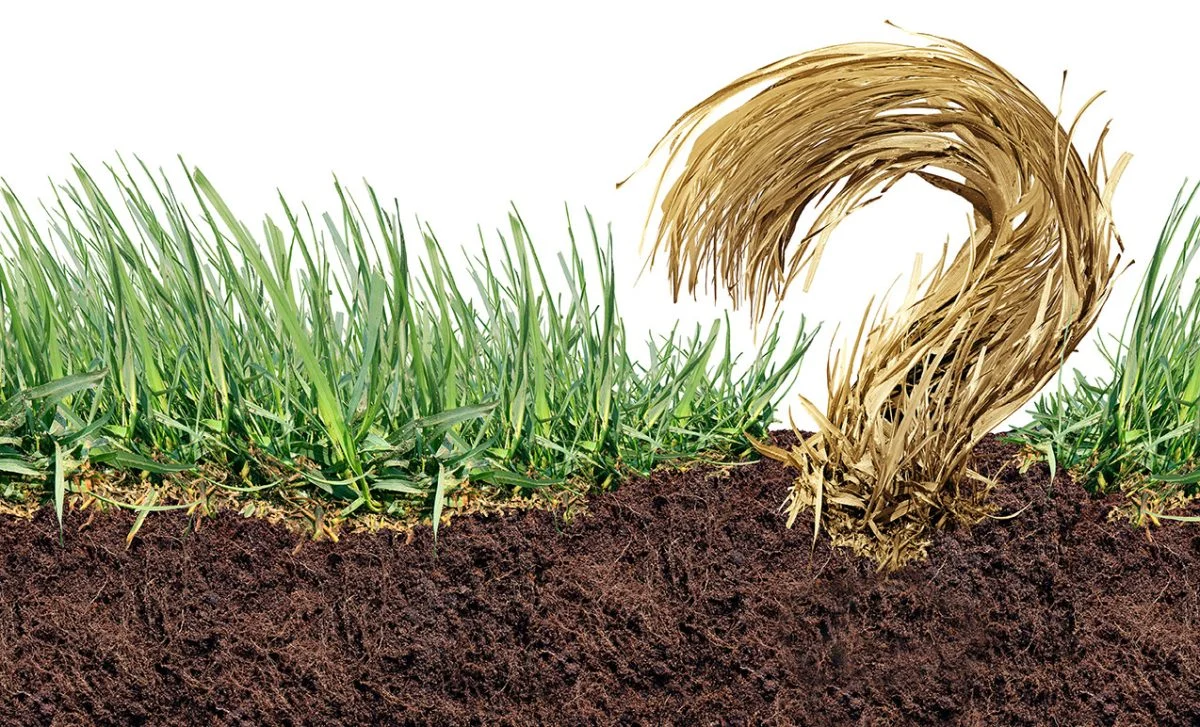
Turfgrass… or Not? That Is the Question
Texans love their lawns. A beautiful green yard can be an inviting place for children to play, pets to exercise, and families to gather.
But maintaining large areas of turfgrass can require considerable watering, mowing, and attention.
One of the simplest ways to reduce outdoor water use is to evaluate how much lawn you actually need.
Keep grass where it serves a purpose. Consider replacing unused or difficult-to-maintain turf areas with planting beds, groundcovers, shrubs, or other landscape features.
If you’re installing or replacing turfgrass, choose a variety suited to your property’s sunlight, soil, and intended use.
St. Augustinegrass is common throughout the Houston area and offers some shade tolerance. Bermudagrass is generally more drought-tolerant and handles heavy traffic well, but it performs best in full sun. Both have maintenance requirements, and individual varieties differ.
There’s no single grass that’s right for every yard.
A smaller, properly maintained lawn surrounded by attractive planting beds can provide the same welcoming appearance while reducing the area that requires regular irrigation.
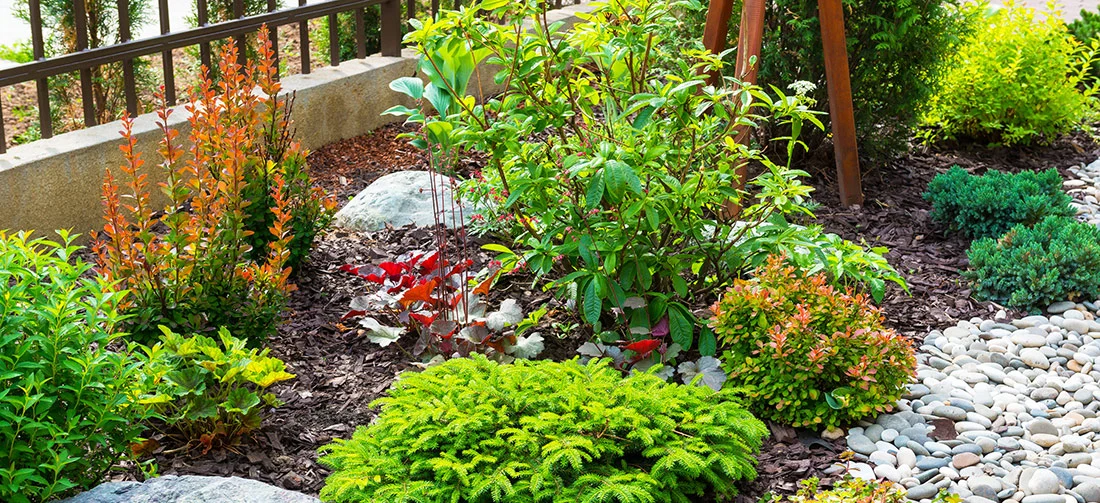
Selecting the Right Plants
Choosing plants that are suited to local conditions is one of the most important steps in creating a successful water-wise landscape.
Southeast Texas offers a wonderful variety of native and well-adapted plants, including flowering shrubs, ornamental grasses, perennials, and groundcovers.
Many native plants are well suited to local climate conditions and provide food or habitat for birds, butterflies, bees, and other wildlife. Once established, appropriately selected plants may need less supplemental watering than plants poorly suited to the site.
But being native doesn’t automatically mean a plant will thrive anywhere in your yard.
Consider each plant’s requirements for sunlight, soil, drainage, and moisture. A plant that thrives in a sunny, well-drained location may struggle in a shaded area with consistently wet soil.
Also consider its mature size. Allowing enough room for plants to grow can reduce future pruning and maintenance.
Group plants with similar watering needs together, and remember that newly installed plants generally require supplemental water while their roots become established.
Explore Native Plants for Houston Home Landscapes
Not sure what to plant? WHCRWA has developed a guide featuring native plants suited to Houston-area landscapes, including shrubs, wildflowers, ornamental grasses, and groundcovers.
The guide includes information about sunlight requirements, water needs, and benefits to wildlife and pollinators.
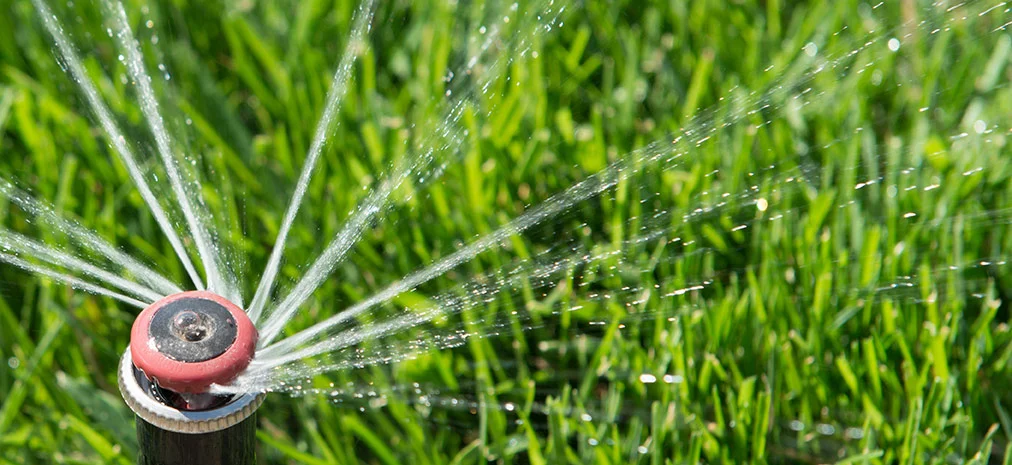
Irrigation Is a Critical Factor
Even the most carefully designed landscape can waste water if the irrigation system isn’t properly managed.
The goal is simple: provide enough water to keep plants healthy without applying more than they need.
One common problem is watering on a fixed schedule without accounting for rainfall, temperature, soil conditions, or seasonal changes.
An irrigation schedule that works during the hottest weeks of summer may be excessive during cooler or wetter periods.
Take time to understand how your irrigation system operates. Run each zone occasionally while you’re watching and look for broken sprinkler heads, leaks, clogged nozzles, or water spraying onto sidewalks, driveways, and streets.
Pay attention to runoff, particularly in areas with heavy clay soils. If water begins running into the street before it can soak into the ground, consider shorter watering cycles separated by time for absorption. This is commonly called cycle-and-soak irrigation.
Other ways to improve irrigation efficiency include:
- Adjust watering schedules to reflect changing weather and seasonal conditions.
- Make sure rain sensors and automatic shutoff devices are operating properly.
- Group plants with similar watering requirements into appropriate irrigation zones.
- Consider drip irrigation for suitable planting beds.
- Repair leaks and damaged equipment promptly.
- Have a qualified, licensed irrigation professional evaluate or modify an existing system when needed.
Properly maintained irrigation equipment can help conserve water, but efficient operation ultimately depends on how the system is managed.
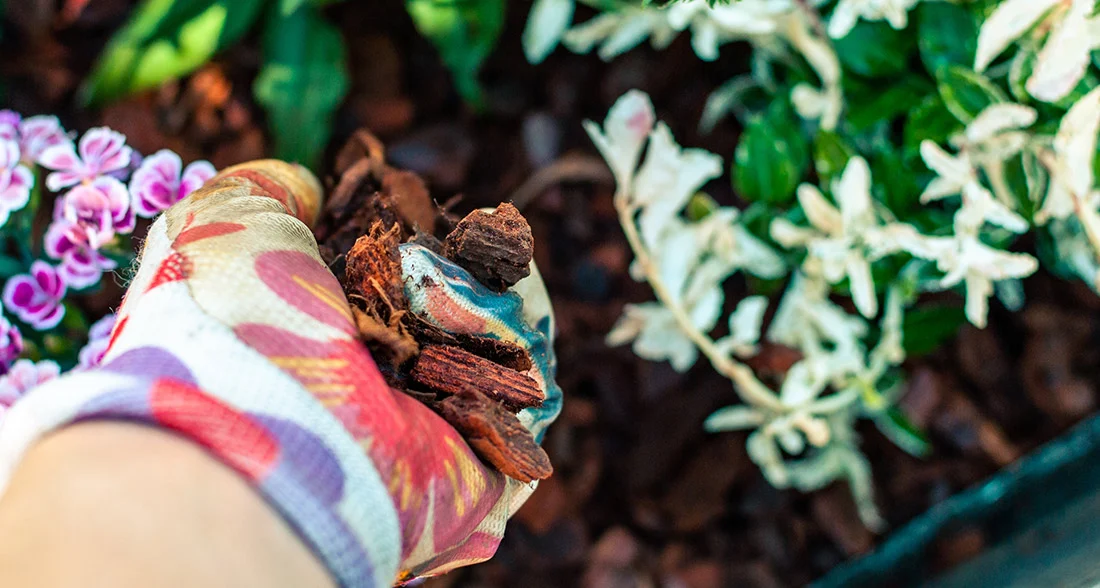
Make the Most of Mulch
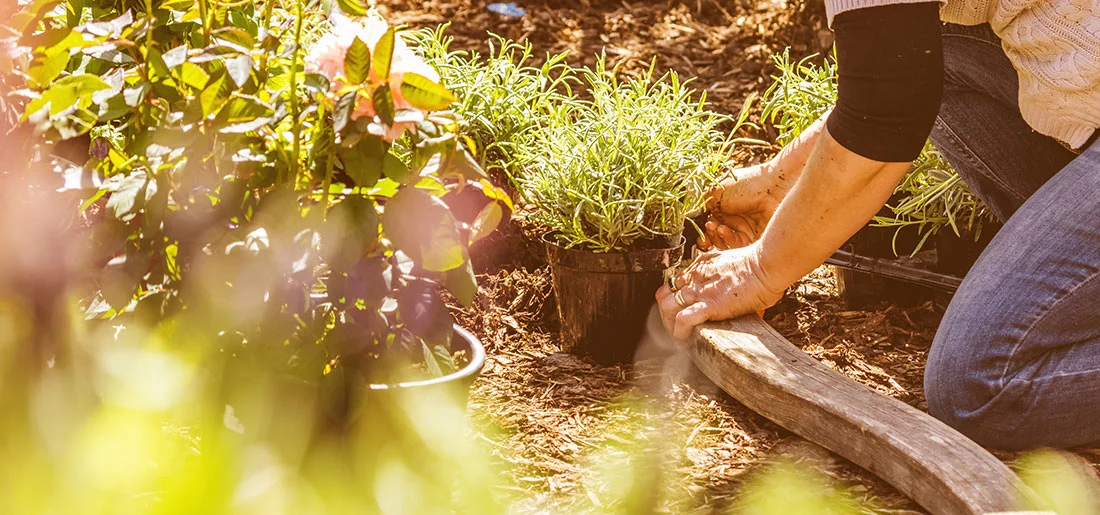
Mulch may be one of the simplest and most useful additions to a water-wise landscape.
A protective layer of mulch helps reduce moisture loss from the soil, moderate soil temperatures, discourage weeds, and limit erosion.
Organic mulches, including shredded leaves, pine needles, wood chips, and bark, can also contribute organic material to the soil as they decompose.
For many landscape beds, a layer approximately two to three inches deep provides useful coverage. Avoid piling mulch directly against tree trunks or plant stems.
Different materials offer different appearances and benefits.
Shredded leaves are an inexpensive option and can put yard waste to good use. Pine needles work well in many planting beds, while bark and wood chips provide a finished appearance that complements a wide variety of landscape designs.
Whichever material you select, inspect the mulch periodically and replenish it as needed.
Mulch can make a landscape more attractive while helping the soil retain moisture between watering.
Common Sense and a Little TLC
Once your water-wise landscape is established, a little regular attention will help keep it healthy and attractive.
Plants that are properly matched to their growing conditions often require less corrective maintenance than plants struggling in unsuitable locations.
A few simple habits can make a difference:
- Mow turfgrass at a height appropriate for the grass variety. Cutting it too short can stress the lawn.
- Leave grass clippings on the lawn when practical to return nutrients to the soil.
- Apply fertilizer based on plant needs and soil-test recommendations.
- Watch for signs of pests or disease, but recognize that many insects are beneficial or harmless.
- Maintain mulch in planting beds to help conserve moisture and discourage weeds.
- Inspect irrigation equipment and adjust watering practices as conditions change.
A landscape that includes native flowering plants, grasses, and shrubs can also provide habitat for butterflies, beneficial insects, and birds.
These visitors do more than make the yard interesting. Pollinators help flowering plants reproduce, and some beneficial insects help control garden pests.
With appropriate plant selection and routine care, a water-wise landscape can remain healthy, attractive, and enjoyable throughout the seasons.
A Beautiful Landscape Doesn’t Have to Waste Water
Xeriscaping isn’t about giving up a beautiful yard. It’s about creating one that works with the climate and growing conditions of Southeast Texas.
You don’t have to start over, either. Reducing an unused patch of lawn, adding mulch, choosing a better-suited plant, or correcting an inefficient irrigation schedule can all be worthwhile improvements.
The best water-wise landscape is one that fits your property, meets your family’s needs, and uses water responsibly.
Sources and Additional Reading
- WHCRWA – Native Plants for Houston Home Landscapes
- Texas A&M AgriLife – Texas Urban Landscape Guide
- Texas A&M AgriLife – Earth-Kind Garden & Landscape Series
- Texas A&M AgriLife – Soil Testing
- Texas Commission on Environmental Quality – Landscape Irrigation
- WaterMyYard – Texas Landscape Watering Guidance

Learn About Your Water!
Practical Information, conservation tips, and educational resources.