20 Tips on Conserving Water and Energy

Water and energy are essential parts of everyday life, but both are valuable resources that should be used wisely. Conserving them not only helps protect our natural resources but can also reduce household expenses.

Although water continually moves through Earth’s natural water cycle, only a small percentage is freshwater, and much of that is not readily available for drinking. Here in the Houston region, excessive groundwater pumping has also contributed to land subsidence, the gradual sinking of the ground. Reducing our reliance on groundwater and using water efficiently are important steps toward protecting our water supply for future generations.

Water and energy conservation often go hand in hand. It takes energy to treat, pump, and deliver drinking water to our homes, and even more energy to heat it for everyday activities such as showering, washing clothes, and cleaning dishes. By reducing unnecessary water use, we can often save energy at the same time.

There are financial benefits, too. According to the U.S. Environmental Protection Agency (EPA), household leaks alone can waste an average of approximately 9,400 gallons of water annually. Fixing leaks, choosing water-efficient appliances, and making small changes to everyday habits can add up to significant savings over time.

The following tips offer practical ways to conserve water, reduce energy consumption, and save money in the process.

DOUBLE UP AND SAVE TWICE…

Some of the simplest ways to conserve water can also help reduce energy costs. Every gallon of hot water used for showering, washing clothes, or cleaning dishes requires energy to heat. Using less hot water, fixing leaks, and choosing efficient fixtures and appliances can help lower both water and energy bills.

Let’s focus on these opportunities to save twice, starting with the areas of the home where water and energy use often go hand in hand.

In Hot Water…

Water heating is a significant part of household energy use, but a few practical steps can make it more efficient. Using an appropriate temperature setting, reducing heat loss, maintaining equipment, and choosing an efficient replacement can all help lower the cost of heating water.
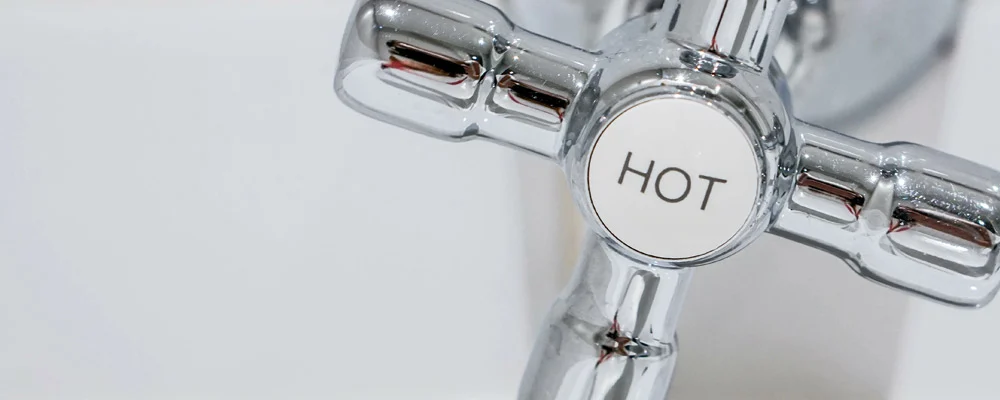
don’t heat the water so hot; insulate the water heater; use less; or upgrade the equipment to a newer, more efficient model.
  1. Check Your Water Heater Temperature

    Water that’s hotter than necessary wastes energy and increases the risk of scalding. Follow the manufacturer’s recommendations and consider household health and safety needs before adjusting the temperature.

  2. Reduce Heat Loss

    Insulating accessible hot-water pipes can help keep water warmer as it travels through your home. Older water heaters may also benefit from an insulation blanket, but check the manufacturer’s instructions first. Some newer models should not be wrapped.

  3. Keep Your Water Heater Maintained

    Sediment can accumulate inside storage tanks and reduce efficiency. Follow the manufacturer’s recommended maintenance and flushing schedule, or contact a qualified professional for assistance.

  4. Choose an Energy-Efficient Replacement

    When it’s time for a new water heater, compare capacity, efficiency, and estimated operating costs. Look for ENERGY STAR certified models and review the yellow EnergyGuide label to help make an informed decision.

Of course, one of the easiest ways to save energy is to use less hot water. Much of the hot water consumed at home goes toward everyday activities in the bathroom, laundry room, and kitchen. Small changes in these areas can make a meaningful difference without sacrificing comfort or convenience.

The Bathroom…

The bathroom is one of the easiest places to start conserving water at home. Leaky faucets, inefficient showerheads, and everyday habits can waste thousands of gallons each year. For residents in the WHCRWA service area, using water wisely helps reduce demand on our regional water supply. And because much of the water used in bathrooms is heated, conserving water can also save energy and money.

Fix those links in the bathroom
  1. Fix Leaks Promptly

    A dripping faucet, leaking showerhead, or running toilet can waste water around the clock. A leaking toilet alone can waste 200 gallons a day. Check plumbing connections regularly, and test toilets for hidden leaks by adding a few drops of food coloring to the tank. If the color appears in the bowl without flushing, there’s a leak.

  2. Install a Water-Efficient Showerhead

    Modern water-saving showerheads can reduce water consumption without sacrificing comfort. Look for the WaterSense label when replacing an older showerhead. These models are tested to meet water efficiency and performance standards.

  3. Install Water-Saving Faucet Aerators

    These inexpensive attachments reduce the amount of water flowing from bathroom faucets while maintaining adequate flow for everyday use. Remember to turn off the water while brushing your teeth or shaving.

  4. Take Shorter Showers

    A five-minute shower with an efficient showerhead can use as little as 10 gallons of water. Reducing shower time by just a few minutes can make a difference, especially when everyone in the household participates. Shorter showers also reduce the energy needed to heat water.

The Laundry Room…

Laundry offers another opportunity to conserve both water and energy. Washing with cooler water, running properly sized loads, and drying clothes efficiently can reduce waste without sacrificing cleaning performance. Because heating water accounts for much of the energy used during a hot-water wash, choosing the right temperature is one of the easiest ways to save.
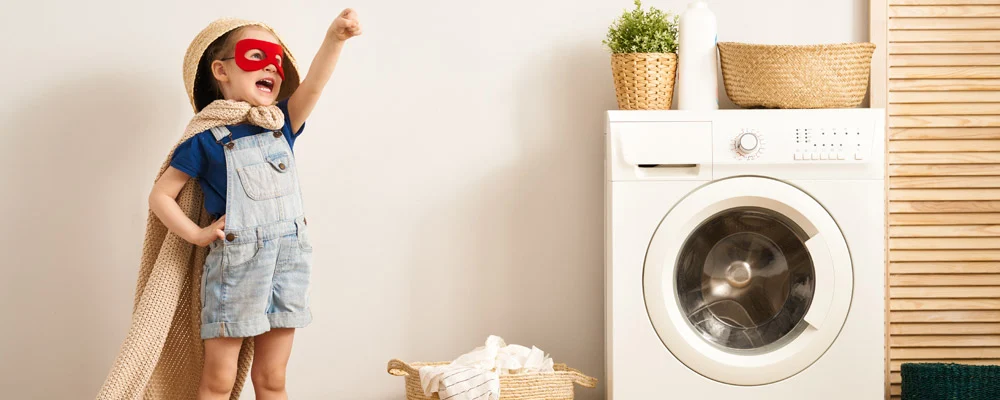
Save water in the Laundry Room
  1. Wash with Cold Water

    Modern laundry detergents clean most everyday clothing effectively in cold water. Reserve warmer settings for heavily soiled items or situations requiring additional cleaning or sanitizing. Follow garment care instructions.

  2. Wash Full Loads

    Running properly sized loads reduces the number of wash cycles needed. For smaller loads, use your machine’s automatic water-level adjustment or select the appropriate setting. Avoid overloading.

  3. Dry Clothes Efficiently

    Separate heavier items from lightweight clothing so everything dries evenly. Clean the lint filter before each load and use moisture-sensing settings when available. Air-dry clothes when practical.

  4. Choose Efficient Appliances

    When replacing an older washer, look for ENERGY STAR certified models. Modern high-efficiency washers use less water, and high-speed spin cycles can reduce the energy needed for drying.

The Kitchen…

The kitchen is another place where conserving water can also save energy. Dishwashers and faucets account for much of the hot water used in this part of the home. Fortunately, today’s efficient appliances and a few simple changes in everyday habits can help reduce water consumption without sacrificing convenience or cleaning performance.
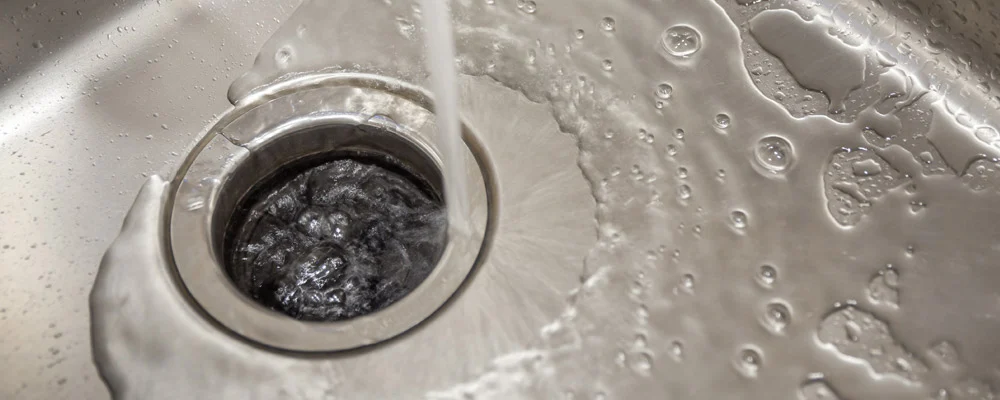
Saving water in the Kitchen
  1. Choose an Energy-Efficient Dishwasher

    When replacing an older dishwasher, look for an ENERGY STAR certified model. Modern efficient dishwashers can use considerably less water and energy than older appliances. Compare estimated operating costs and water consumption before making a purchase.

  2. Run Full Loads

    Wait until you have a full load before running the dishwasher, but avoid overcrowding dishes. Proper loading allows water to circulate and helps ensure everything gets clean. Running fewer, fuller loads can reduce overall water and energy consumption.

  3. Scrape, Don’t Pre-Rinse

    Most modern dishwashers are designed to clean dishes without rinsing them under running water first. Simply scrape leftover food into the trash or compost bin before loading. Let the dishwasher and detergent do the cleaning.

  4. Choose the Right Wash Cycle

    Select the appropriate wash cycle for each load. Energy-saving and soil-sensing settings can help reduce unnecessary water and energy consumption. Reserve intensive or sanitizing cycles for situations that actually require them, and follow the manufacturer’s recommendations.

  5. Skip Heated Drying When Practical

    If your dishwasher offers an air-dry or no-heat drying option, use it when appropriate to reduce energy consumption. Many modern dishwashers also feature energy-efficient drying systems. Check your owner’s manual for the best settings for your appliance.

  6. Save Water at the Kitchen Sink

    Avoid leaving the faucet running unnecessarily while preparing meals or cleaning up. Use a basin when washing dishes by hand, and repair dripping faucets or plumbing leaks promptly. Reducing unnecessary hot water use also saves the energy required to heat it.

  7. Install a Water-Efficient Faucet or Aerator

    Replacing an older kitchen faucet or adding a water-saving aerator can reduce water consumption while maintaining adequate flow for everyday tasks. These relatively inexpensive improvements can help conserve both water and the energy used to heat it.

  8. Use the Garbage Disposal Sparingly

    Garbage disposals require running water to operate properly. Instead of sending food scraps down the drain, consider composting suitable materials or placing them in the trash. Composting also provides useful organic material for gardens and landscaping. When using a disposal, follow the manufacturer’s operating instructions.

Conserving water and energy doesn’t have to mean making major changes to your lifestyle. Fixing leaks, choosing efficient appliances, and making small adjustments to everyday habits can reduce household expenses while helping protect our region’s water resources.

Every gallon saved helps reduce demand on the water supply that our communities depend on. When thousands of households make water conservation part of their daily routines, those small changes can add up to something significant.

Use less. Save more. Help conserve water for today, tomorrow, and generations to come.
WATERU Logo

Learn About Your Water!

Practical Information, conservation tips, and educational resources.

Conservation Articles | Emergency Resources