
Water conservation doesn’t have to mean making major sacrifices. As the Houston region continues to grow, using water efficiently helps reduce demand on our water supplies and can lower household utility bills.
Conservation is also part of a broader regional effort to protect groundwater resources and support a reliable water supply for future generations.
Here are five practical ways to make a difference, both inside and outside your home.
Inside the House
1. Find and Fix Water Leaks
One of the simplest ways to conserve water is to stop wasting it.
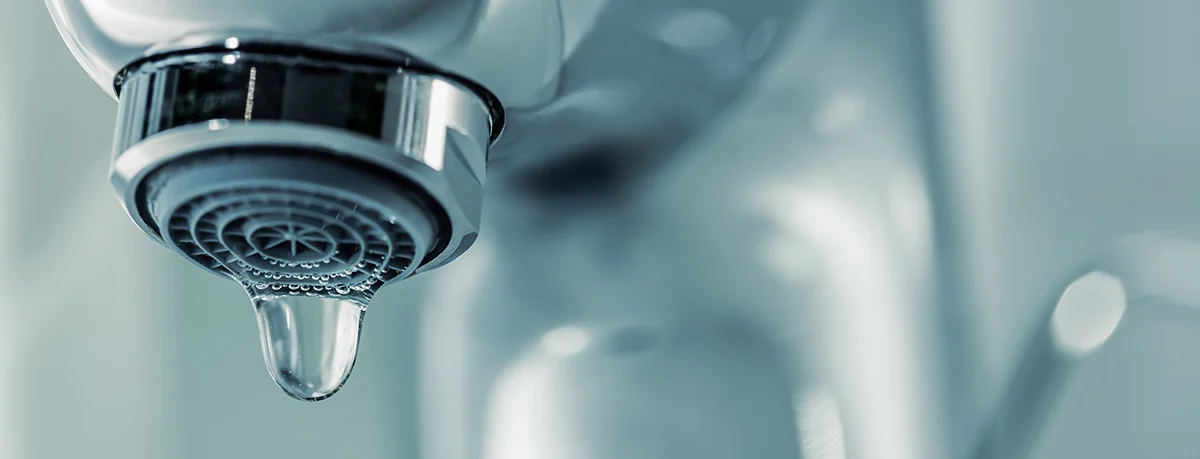
Leaking faucets, running toilets, and faulty plumbing connections can waste thousands of gallons without homeowners realizing it. A leaking toilet alone can waste 200 gallons of water per day.
Check toilets regularly for hidden leaks by adding a few drops of food coloring to the tank. Wait several minutes without flushing. If the color appears in the bowl, there’s a leak that needs attention.
Watch your monthly water usage, too. An unexplained increase could indicate a leak somewhere in your home or irrigation system.
Most common toilet leaks involve worn flappers, valves, or other inexpensive components that can be repaired or replaced.
2. Make Your Bathroom More Water-Efficient
Bathrooms offer some of the easiest opportunities to reduce indoor water consumption.
If your home has older toilets, consider replacing them with high-efficiency models. WaterSense labeled toilets use 1.28 gallons per flush or less, compared with older models that may use several gallons each time.
Water-efficient showerheads are another worthwhile improvement. Modern models are designed to reduce water use while maintaining comfortable water pressure.
Everyday habits matter, too. Taking shorter showers and turning off the faucet while brushing your teeth or shaving can save substantial amounts of water over time.
These changes can also reduce energy costs by limiting the amount of hot water your household uses.
3. Use Kitchen and Laundry Appliances Efficiently
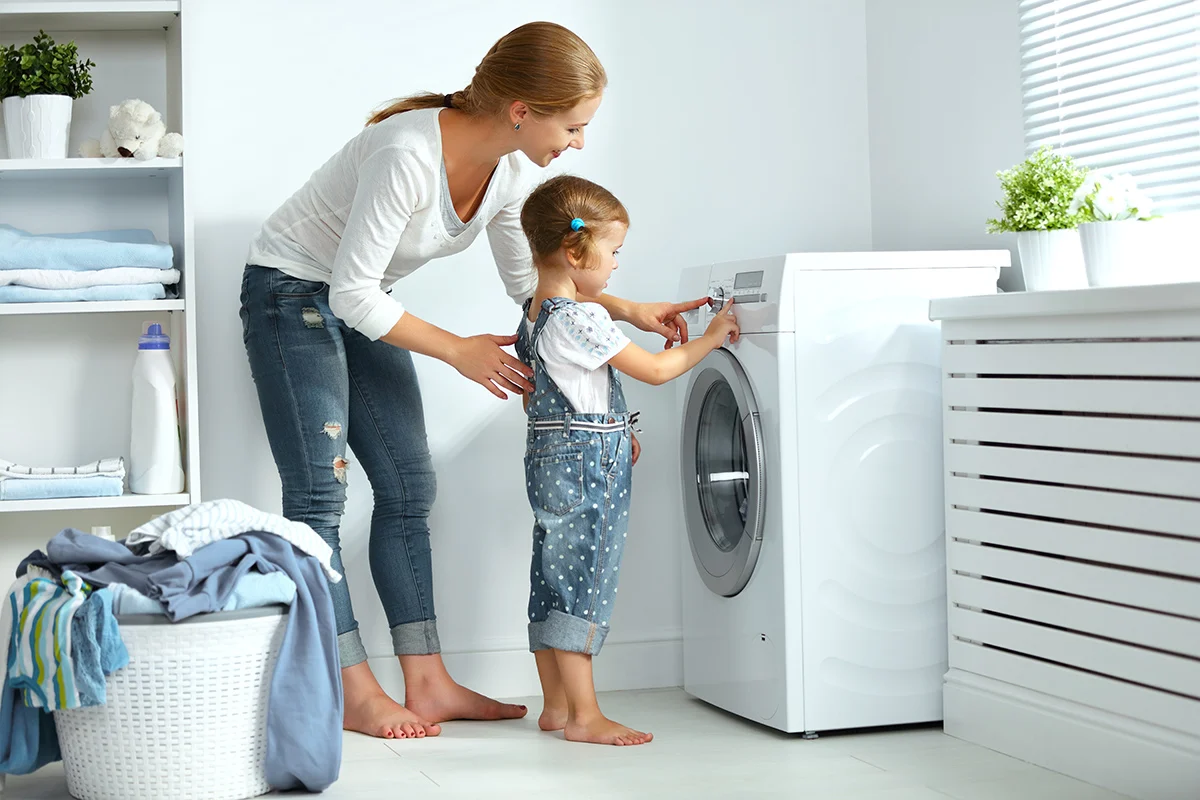
Washing machines and dishwashers can account for a significant portion of household water use, especially when older, less-efficient models are involved.
When replacing appliances, look for ENERGY STAR certified models that use less water and energy while maintaining cleaning performance.
You can also save water without purchasing anything new:
- Wash full loads of laundry without overloading the machine.
- Use cold water for everyday laundry when appropriate.
- Run the dishwasher with full loads.
- Scrape food from dishes instead of rinsing them under running water.
- Select water- and energy-efficient cycles when available.
Small changes in how these appliances are used can add up over time.
Outside the house
4. Choose Water-Wise Landscaping
A beautiful landscape doesn’t have to require excessive watering.
In the Houston area, selecting plants suited to our Gulf Coast climate, soil conditions, and seasonal rainfall can significantly reduce the need for supplemental irrigation.
Water-wise landscaping doesn’t mean replacing everything with rocks and cactus. Native and well-adapted plants, attractive garden beds, trees, and appropriately selected turfgrass can all be part of a healthy, colorful landscape.
Consider these practices when planning or updating your yard:
- Choose plants suited to your property’s sunlight, soil, and drainage conditions.
- Group plants with similar watering requirements together.
- Reduce unnecessary turfgrass areas where practical.
- Use mulch around plants to help retain soil moisture and control weeds.
- Improve soil conditions when needed to support healthy root growth.
A well-designed landscape can conserve water while remaining attractive, functional, and easier to maintain.
5. Make Your Irrigation System Work Smarter
Outdoor irrigation is one of the biggest opportunities for reducing household water consumption.
Even a professionally installed sprinkler system can waste substantial amounts of water if it isn’t properly maintained or adjusted for changing weather conditions.
One of the most common mistakes is watering too frequently or continuing to run the same schedule throughout the year.
Instead, water according to the needs of your landscape, taking rainfall, soil conditions, and seasonal temperatures into account.
A few important practices include:
- Adjust irrigation schedules as weather and seasons change.
- Avoid watering immediately before or after significant rainfall.
- Inspect sprinkler heads for leaks, damage, and improper spray patterns.
- Prevent sprinklers from watering sidewalks, driveways, and streets.
- Consider rain sensors or weather-based irrigation controllers to reduce unnecessary watering.
- Use drip irrigation in appropriate planting beds to deliver water directly to plant roots.
If water begins running into the street before the soil has absorbed it, consider shorter watering cycles with time between them to allow water to soak in.
Remember, having an automatic sprinkler system doesn’t necessarily mean you’re watering efficiently.
Every Gallon Makes a Difference
Water conservation begins with the choices we make at home. Fixing leaks, using efficient appliances, choosing appropriate landscaping, and watering wisely can help reduce household expenses while protecting our region’s water resources.
You don’t have to change everything at once. Start with one or two improvements and build from there.
The most important water conservation tool in your home is you.
Originally written by Barbara Payne. Updated November 2026.
Sources and Additional Reading
- Texas Water Development Board – Water IQ: Indoor Conservation
- Texas A&M AgriLife Extension – Xeriscape and Landscape Water Conservation
- Texas A&M AgriLife Extension – Preventing Runoff With Cycle and Soak Irrigation
- WaterSense – Water-Efficient Toilets
- WaterSense – Smart Irrigation Controllers
- ENERGY STAR – Clothes Washers
- ENERGY STAR – Dishwashers
- WHCRWA – Understanding Land Subsidence
Learn About Your Water!
Practical Information, conservation tips, and educational resources.