
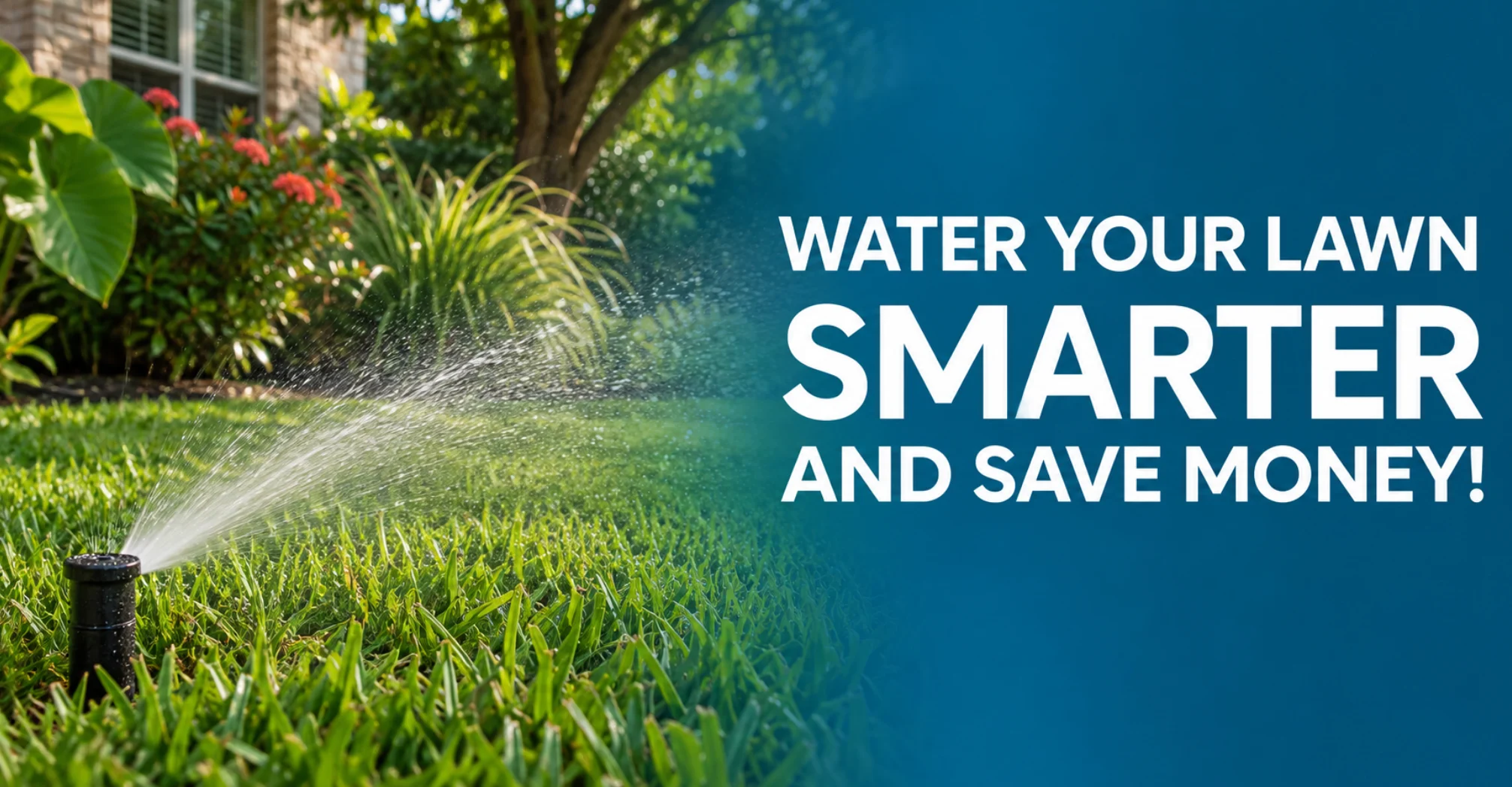
Just because you have an automatic irrigation system doesn’t mean you’re saving water.
How often have you seen sprinklers running during a rainstorm—or water streaming down a driveway from an already saturated lawn?
Besides wasting water and money, too much water can actually harm your lawn. Knowing when to water, how much to apply, and when to leave the sprinklers off can make a big difference.
The good news is that a healthy lawn doesn’t necessarily need as much water as you might think.
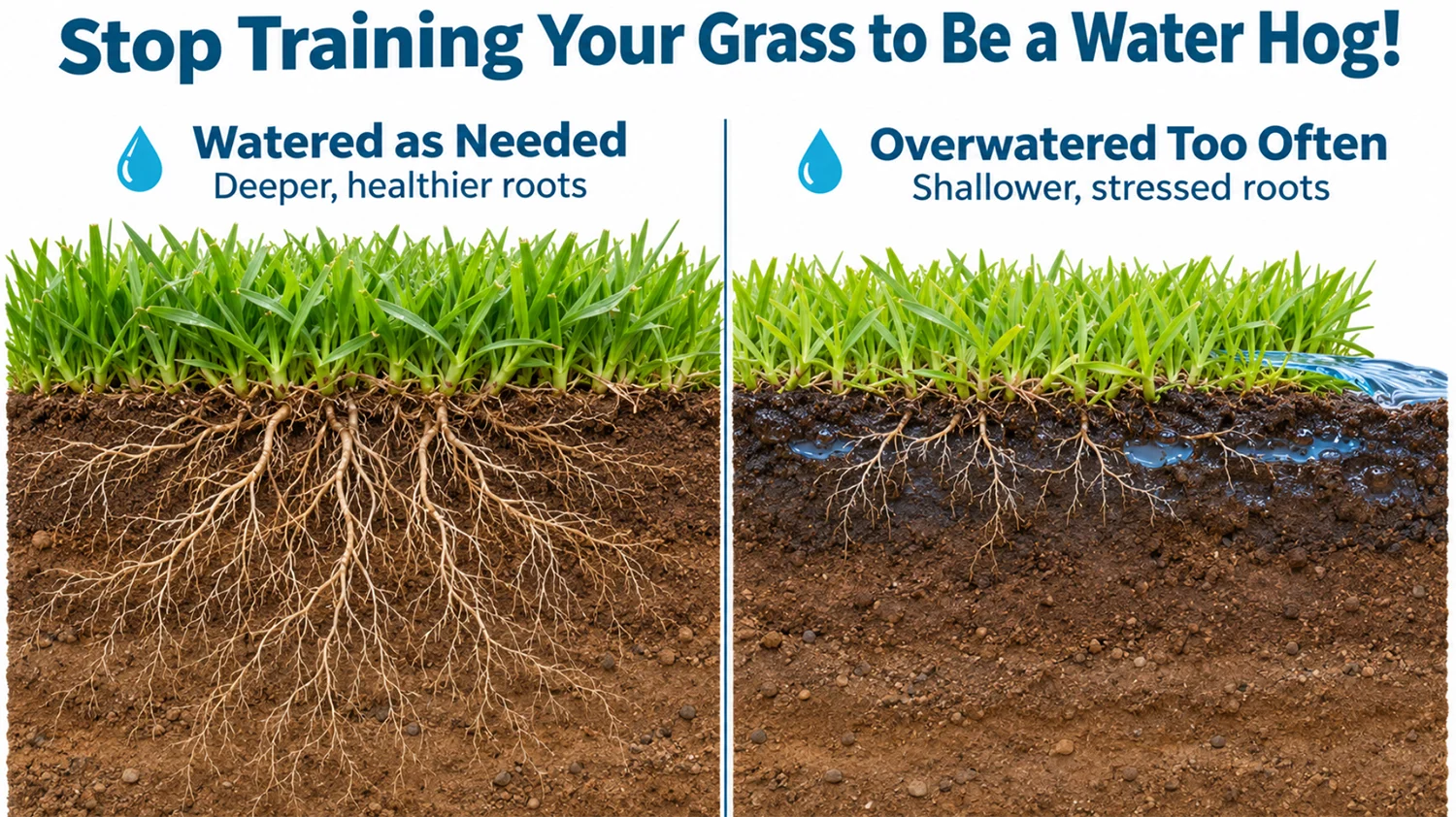
One of the keys to growing healthy grass is developing a strong root system.
Frequent, shallow watering can encourage grass roots to remain near the surface, where the soil dries out more quickly. Watering more deeply, but only when needed, encourages roots to grow farther into the soil, helping the lawn withstand periods of dry weather.
Different varieties of grass, soil conditions, sunlight, and seasonal temperatures all influence how much water a lawn needs.
That’s why the old advice to apply an inch of water every week isn’t necessarily the right formula for every yard.
The goal is simple: provide enough water to keep your lawn healthy without giving it more than it needs.
Make Every Watering Count
Watering at the right time is just as important as knowing how much to apply.
Early morning is generally the best time to irrigate. Watering during the heat of the day increases evaporation, while watering too late can leave grass wet for extended periods.
Another important consideration is how quickly your soil absorbs water.
Many Southeast Texas lawns have clay soils that absorb water slowly. If your sprinkler system applies water faster than the soil can absorb it, the excess runs into streets and storm drains.
Try Cycle-and-Soak Irrigation
Instead of running each sprinkler zone for one long period, divide the watering time into shorter cycles with breaks between them.
This allows water to soak into the soil before the next cycle begins.
For example, if you notice water running into the street after several minutes, that’s a good indication that the soil isn’t absorbing water as quickly as your sprinklers are delivering it.
Adjusting the controller to provide shorter watering cycles, with time between them for absorption, can help reduce runoff.
The appropriate settings depend on your soil, slope, sprinkler type, and landscape conditions.
Water My Yard Takes the Guesswork Out of Irrigation
Wouldn’t it be nice if your lawn could tell you when it was thirsty?
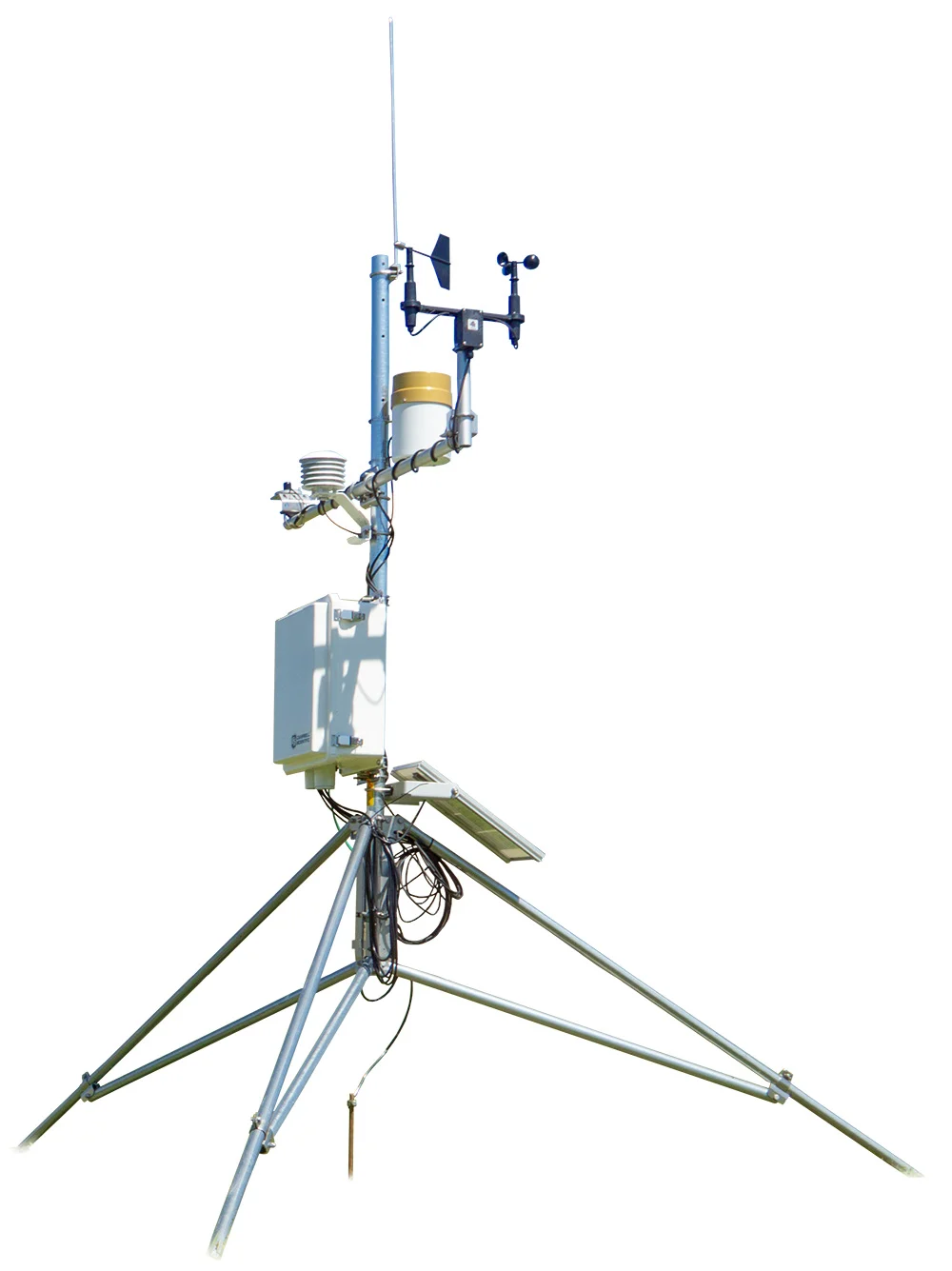
WaterMyYard is a free program that uses local weather data, rainfall measurements, and information about your irrigation system to provide weekly watering recommendations.
The program relies on a scientific measurement called evapotranspiration (ET), which accounts for water lost from the soil through evaporation and from plants through transpiration.
Using this information, WaterMyYard helps homeowners determine when supplemental watering may be needed.
Recommendations should still be adjusted for actual rainfall and changing weather conditions.
Ready to Give WaterMyYard a Try?
Visit www.WaterMyYard.org to learn about the program, and sign up for free watering recommendations.
Don’t Forget Your Sprinkler System
Even a carefully planned watering schedule won’t prevent waste if your sprinkler system isn’t working properly.
Broken sprinkler heads, leaking connections, misdirected spray, and controllers that haven’t been adjusted for seasonal changes can all waste water.
For help keeping your system in good working order, follow Irry Gator’s Annual Sprinkler System Maintenance Tips.
A little attention to your watering habits and irrigation equipment can help keep your lawn healthy while conserving water and reducing unnecessary costs.
Water Less. Save More.
Originally written by Barbara Payne. Updated November 2026.
Learn About Your Water!
Practical Information, conservation tips, and educational resources.